富二代如何正确管理继承财富
发表时间: 2025-06-29 14:54:38 人气:820 次
继承财富,是人生中最容易被误解的“成就”。很多人羡慕,却没人教你怎么做。你刚继承一笔遗产,可能还没来得及高兴,就听见耳边传来不同人的声音:“你该投资!”、“你得买地!”、“你不如开个基金会显得高级些。”而你真正想问的是:我该怎么活得像一个有责任感的富二代,而不是被社交媒体当成某种活体段子。
Inheriting wealth is perhaps the most misunderstood “achievement” in life. Envy abounds, yet no one teaches you what to do next. You’ve just received an inheritance, barely processed the reality, and suddenly everyone has opinions: “Invest it!” “Buy real estate!” “Start a foundation — it sounds classy.” But deep down, your real question is: how do I live like a responsible heir, and not become a walking meme for the internet?
首先,我们得正视一个事实:不是每个富二代都活得像Netflix剧集那样奢靡又放纵。现实中,很多继承人承受的,不是“怎么花钱”的压力,而是“别搞砸”的焦虑。尤其是在北美社会里,财富往往意味着责任、社会关注,甚至家庭传统的延续。你的一举一动,不再只是“你自己”,而是“家族投资组合上的一个变量”。
First, let’s get one thing straight: not every heir lives like a character in a Netflix drama. In reality, many heirs feel less pressure to spend money and more anxiety not to screw it up. Especially in North America, wealth often comes with responsibility, public attention, and the weight of family legacy. Your every move isn’t just “you being you” anymore — it’s a line item on the family investment spreadsheet.
继承财富,首先考验的是你的“心理账户”。你有没有意识到:这笔钱不是“从天而降的奖金”,而是上一代人几十年思考、选择、冒险的浓缩?这不是一份中彩票的刺激,而是一份长期持仓的沉重。所以,与其第一时间去研究买哪只ETF,不如先搞清楚这笔钱对你而言意味着什么:是安全感,是平台,还是一种尚未定义的使命?
Managing inherited wealth starts with your mental bank account. Do you realize this isn’t lottery money, but the compressed product of decades of decisions, risks, and discipline from those before you? It’s not a thrill — it’s a long-term position with gravity. So before you rush to pick your first ETF, ask yourself: what does this money mean to me? Security? Leverage? Or an undefined mission?
然后是财务知识的基本功。你不需要变成巴菲特,但你需要知道一个资产负债表不是艺术作品,它有数学意义;你也不必精通税法,但你必须明白什么叫“信托结构”、“资本利得”、“递延避税”。你不需要自己做报税表,但你得知道怎么问对问题。换句话说,你要做的是CEO,而不是会计。
Next comes your financial literacy. You don’t need to be Buffett, but you should know a balance sheet isn’t abstract art — it has math in it. You don’t need to master tax law, but you better grasp what a “trust structure,” “capital gains,” or “tax deferral” mean. You’re not your accountant — but you better ask the right questions. Think CEO, not CPA.
有些人说,富二代要学会“保守”。但其实你更需要的是“战略性”。钱不是用来守的,是用来配置的。把全部继承资产锁在一处,只为了“保值”,就像你把一艘游艇永久停在港口,以防浪打坏它——听起来谨慎,实则浪费。你需要思考的是:“我想参与哪些领域的成长?哪些项目能既延续家族精神,又带来可持续的复利?”有时候,这甚至意味着你要大胆退出某些旧产业——因为财富,不等于遗产博物馆。
Some say heirs should be “conservative.” Not quite. What you need is strategy. Money isn’t meant to be buried; it’s meant to be allocated. Locking all your inherited wealth in one place for “preservation” is like docking a yacht forever to avoid weather damage — cautious, yet pointless. The real question is: what sectors do I want to be part of? Which ventures align with my family’s values and offer sustainable returns? Sometimes, that even means exiting legacy industries — because wealth is not a museum of past glories.
接下来你必须学会一件事:区分“朋友”和“合作者”。一旦你继承财富,就像进入一座光明又危险的房间,吸引来的不仅是善意,还有各种“建议”包装下的利益索取。有些人会对你说:“我们从小一起长大,你信我。”你该学会微笑点头,然后心里加一句:“这正是我不该信你的理由。”一个富二代最重要的社交技能,是既能待人温和,又能设好边界。
Then comes people. You’ll need a superpower — telling real friends from financial opportunists. Once you inherit wealth, it’s like stepping into a brightly lit but booby-trapped room. You’ll attract generosity and disguised greed. Someone might say, “We’ve been friends forever, trust me.” You nod politely while silently thinking, “That’s exactly why I shouldn’t.” Your top social skill now? Be warm — but draw firm lines.
说到传承,就要说说你未来的下一代。真正高质量的继承财富,不是你留下多少钱,而是你留下的“财富观”。你要做的,不只是设好教育基金、人生信托,更重要的是——把“责任感”植入他们的价值系统里。你可以送他们去顶级商学院,但如果你不和他们聊聊你创业失败过几次、怎样扛过金融危机,那他们学到的只是怎么在PowerPoint里写“使命愿景”。
Let’s talk about your future heirs. High-quality wealth transfer isn’t about how much you leave — it’s about the philosophy you leave with it. Don’t just set up education funds and life trusts. Make sure they inherit a sense of duty. You can send them to the best B-schools, but if you don’t tell them how you failed in business or weathered a crisis, they’ll only learn how to type “mission statements” in PowerPoint.
最后也是最难的一点:你要允许自己用这笔钱,成为“你真正想成为的人”。继承财富,不是让你活在上一代的阴影里,也不是你去“扮演某种成功”。而是让你在没有“生存焦虑”的前提下,更加诚实地面对自己。你可以选择继续创业、投身艺术、或哪怕环游世界一年——只要你清楚,这不是逃避,而是探寻。
And finally — allow yourself to become who you really want to be. Inheriting wealth isn’t about living in someone else’s shadow or playing “successful person” cosplay. It’s about removing survival anxiety so you can confront yourself honestly. You may choose to build, create, or simply wander the world for a year. Just make sure it’s exploration — not escapism.
所以说,富二代要怎么正确管理继承财富?不是活成别人眼中的模板富人,也不是被税法和家族会议框死的机器人。是像一个清醒的成年人,拿着一笔你没亲手赚来的钱,去做一些你愿意负责一生的事。别让这份礼物成为负担,也别让世界定义你是谁。因为你所继承的,其实是未来,而不是过去。
So how should an heir manage inherited wealth the right way? Not by fitting some social mold, or becoming a family-controlled bot choked by tax law and legacy pressure. But by being a conscious adult, using money you didn’t earn to build something you’re fully accountable for. Don’t let the gift become a burden. Don’t let the world define you. Because what you’ve inherited — is the future, not the past.
分享 Facebook | X | Whatsapp | Linkedin
捐助(Paypal): https://www.paypal.me/observeccp 订阅中国观察电报 Telegram : https://t.me/s/ObserveCCP
责任编辑:雨轩 来源:中国观察 转载请注明作者、出处並保持完整。
- • 刚果爆发埃博拉病毒 已造成80人死亡
- • “一心多用”高效? 她停止这习惯七天后大脑变了
- • 阿联酋被曝有意夺岛 加入美以战略轴线
- • 美发布临时通行证 允许部分国家购买俄石油
- • 比特币跌破7.7万美元 一小时清算6亿美元
- • 川习会没拉动经济 中国4月工业增速跌至最低
- • G7财长会巴黎登场 华府加码施压中共
- • 普京访华前 俄罗斯无人机袭击中国货轮
- • 美中深层博弈 密大学生瞒军工背景被起诉
- • 高尔夫球:拉伊PGA锦标赛封王 首夺大满贯
- • 蓬佩奥:习屡对美撒谎 对他不应抱任何幻想
- • 贝克汉姆家族再陷风波 14岁女儿频跑活动惹议
- • 武汉村庄585人至少62人患癌亡 大多为青壮年
- • 稀土角力升温 澳洲再堵中资染指关键矿产
- • 美国特使兰德里首访格陵兰岛 聚焦采矿与贸易
- • 川普不给习承诺 台陆委会:美六项保证被挑战是超译
- • 【更新】川普:推迟原定明日对伊朗的军事打击
- • 小浣熊每天偷便利店一个苹果 送给好友小马儿
- • 普京访中前发动大规模空袭 中国籍货船也遭波及
- • 心脏外科医生提醒:这5类食物最好少吃
- • 研究发现,补充维生素D与炎症性肠病患者的免疫调节有关
- • 维生素D缺乏与氧化应激增加和慢性疾病风险相关
- • 格拉斯利公开文件 指拜登司法部掌握亨特拜登相关短信却未追究人口贩运指控
- • 俄罗斯国防部报告称,停火期间乌克兰违反停火协议近9000次
- • 营养学家称,日常食物可能有助于肠道健康
- • 当口袋相机还能“吊打手机”:2015年长焦卡片机黄金时代
- • 报告:某些食物可能有助于身体的自然排毒过程
- • 研究表明:饮用咖啡与肠道菌群变化、压力和抑郁症状减轻有关
- • 研究:食用水果或可减轻空气污染造成的肺损伤
- • 美国最高法院批准阿拉巴马重新审议国会选区图 自由派大法官强烈反对
- • 生物恐怖主义:全球精英计划如何将真菌孢子注入大气层造成持续不断的呼吸道感染
- • 阻力训练计划与早期阿尔茨海默病生物标志物研究中的大脑保护性变化相关
- • 一项新研究揭示了早期接触N-亚硝基二甲胺(NDMA)带来的令人担忧的癌症风险
- • 肠漏症可能是癌症、帕金森病和阿尔茨海默病的潜在诱因
- • 湖边的移动小屋
- • 山东2千学生抗议 拉五四横幅自称起义
- • 德甲收官:拜仁强势夺冠 勒沃库森无缘欧冠
- • 杨幂自曝多次拒绝《浪姐》邀约 理由笑翻众人
- • 中共派系权斗升级 多名中国移动高管落马
- • 马斯克:美国今年将迎无人驾驶时代
- • 高尔夫球:拉伊PGA锦标赛封王 首夺大满贯
- • “药水杨梅”发酵 福建杨梅一夜崩盘 果农损失惨重
- • 武汉村庄585人至少62人患癌亡 大多为青壮年
- • 北京国宴招待川普 红衣女服务员身份惹议
- • 中国多地爆发洪灾 当局无预警泄洪 数万人遭难
- • “老板鱼”半夜扑腾喷水求生影片爆红
- • G7财长会巴黎登场 华府加码施压中共
- • 埃博拉疫情再次爆发 美国限制疫区人员入境
- • 夏季前 家中做这几个动作以避免大账单
- • 比特币跌破7.7万美元 一小时清算6亿美元
更多新闻
- 川普不给习承诺 台陆委会:美六项保证被挑战是超译 2026-05-18
- 川普撤诉百亿美元诉讼 或与司法部和解基金有关 2026-05-18
- 川普惊爆周二对伊朗开战 中东三领袖紧急求情 2026-05-18
- 川普撤回国税局诉讼 设立“反武器化基金” 2026-05-18
- 川普撤诉 不再追讨美国国税局百亿美元赔偿款 2026-05-18
推荐文章
川普回应习近平关于美国衰落言论 称拜登时期确实令美国严重受损
川普在北京的一份公开声明,再次把美国内部真正的路线冲突彻底摊开。 习近平此前谈到美国时,提到“美国可能正在衰落”,并称世界已经来到新的十字路口。随后,...
2026年5月14日 12192
联邦法院驳回富尔顿县请求 联邦调查局继续保留二零二零大选记录
美国乔治亚州富尔顿县,再次成为全美关注焦点。联邦法院正式拒绝富尔顿县政府要求联邦调查局归还二零二零年大选相关记录的请求,超过六百箱选举文件、数据和材料,...
2026年5月6日 17289
纽约州日内瓦高中出现疑似汉坦病毒病例 卫生部门称与南美邮轮致命疫情无关联
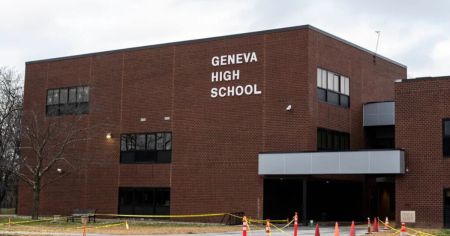
一艘从阿根廷出发的豪华邮轮,在南美冰冷海域航行时突然爆发罕见汉坦病毒疫情。三名乘客死亡,十八名美国乘客被紧急隔离,美国媒体迅速将其渲染成可能重演“新冠2.0”的危险信号。就在全美神经紧绷之际,纽约州日内瓦高中又传出一名学生疑似感染汉坦病毒的消息。短短几小时内,社交媒体上关于“病毒扩散”“校园感染”“美国出现新型疫情”的猜测开始迅速蔓延,家长群体陷入不安。
但随着调查深入,纽约州卫生部门迅速出面降温,强调这起校园病例与邮轮上的致命疫情毫无关联,也不属于那种能够在人与人之间传播的高危毒株。然而,这场突如其来的舆论风暴,却再次暴露出后疫情时代美国社会对于传染病的敏感与恐惧。
纽约州安大略县卫生部门于本周四早晨收到通报,日内瓦高中一名学生被怀疑感染汉坦病毒。由于消息传出时,全球媒体正集中报道南美邮轮上的致命疫情,因此这一病例迅速引发外界高度关注。
当地教育部门随后在周五下午向家长发布公开信,确认卫生部门正在调查此事,并明确表示目前没有证据显示学校内其他学生、教职员工或社区居民面临风险。校方在声明中强调,这起病例属于美国本土已存在的常规汉坦病毒类型,与近期受到全国媒体关注的高危病毒株并无关联。
安大略县公共卫生主任凯特·奥特坦言,当前时机“糟糕透顶”。因为就在全国媒体持续聚焦邮轮死亡事件时,任何与汉坦病毒有关的消息都会迅速被公众放大。她透露,卫生部门最初甚至不敢相信这可能是汉坦病毒病例,因为外界注意力几乎全部集中在南美爆发的致命安第斯毒株上。
根据当地媒体十三频道报道,这名高中生的症状并不严重,过去数周仅出现轻度疲劳、身体酸痛和精神倦怠等情况。奥特表示,汉坦病毒并不总是如此温和,许多病例可能迅速恶化并导致严重肺部问题,因此卫生部门对该学生病情较轻感到庆幸。
她同时指出,在过去二十年里,整个安大略县也仅出现过一次疑似汉坦病毒病例,这说明该病毒在当地极为罕见。由于目前没有证据显示病毒存在人际传播风险,这名学生无需接受隔离。
卫生部门同时提醒居民,在清理阁楼、木屋、仓库或车库等可能存在鼠类排泄物的区域时,应采取基础防护措施,包括佩戴口罩与手套,并在清扫前先将灰尘与排泄物喷湿,避免病毒颗粒随着空气扩散被人体吸入。
此次校园病例之所以引发全国关注,很大程度上与此前震惊国际社会的南美邮轮疫情有关。那艘名为“洪迪乌斯号”的邮轮于今年四月初从阿根廷启航,航程期间爆发罕见的安第斯型汉坦病毒疫情。这种病毒与美国常见毒株不同,它具备人与人之间传播能力,致死率接近百分之四十。
疫情最终导致三名乘客死亡。十八名美国公民在返美后被紧急送往内布拉斯加大学医学中心以及亚特兰大的相关机构接受隔离观察,其中包括三名纽约州居民。
纽约州卫生部门此后多次公开强调,目前纽约州居民中尚未发现邮轮相关毒株病例,普通公众感染风险仍然极低。
这起纽约高中病例之所以引发巨大社会震动,并不只是因为病毒本身,而是因为美国社会已经进入一种特殊的“疫情后神经状态”。新冠疫情留下的心理创伤仍然深埋在公众意识中,任何涉及“未知病毒”“隔离”“死亡率”的关键词,都足以迅速触发社会焦虑。
从传播学角度看,公众真正恐惧的往往不是病毒本身,而是“不确定性”。当“汉坦病毒”“致死率百分之四十”“人与人传播”这些信息同时出现在新闻标题中时,大多数普通人并不会立刻区分病毒毒株差异,也不会详细阅读卫生部门解释。人们首先接收到的是危险信号,然后情绪开始扩散。
更值得注意的是,美国公共卫生系统如今面临一个尴尬现实。经历新冠疫情后,政府既害怕“反应过度”,又害怕“反应不足”。一旦行动太快,容易被批评制造恐慌;如果行动迟缓,又会被指责隐瞒风险。因此,卫生部门如今几乎形成一种高度谨慎的信息发布模式。
此次纽约州卫生部门的态度便体现出这种变化。一方面,他们迅速公开信息,避免外界质疑隐瞒疫情;另一方面,他们又不断强调“本土毒株”“无校园风险”“无需隔离”,试图阻止社会情绪进一步升级。
事实上,汉坦病毒本身并非新病毒。它长期存在于北美鼠类群体中,人类通常通过吸入受污染空气而感染。多数情况下,病例零散且不具备持续传播能力。但南美安第斯型毒株的特殊性,正在改变公众对这一病毒的认知。因为它是少数已知能够实现有限人际传播的汉坦病毒类型。
真正令公共卫生专家警惕的,并非当前纽约病例,而是全球化背景下病毒传播路径正在变得越来越复杂。一艘从阿根廷出发的邮轮,可以在数日内将病毒暴露风险带到美国本土。国际旅行、高密度人口流动以及社交媒体的信息放大效应,使局部疫情极易迅速演变为全球关注事件。
与此同时,美国社会对于官方信息的信任危机仍未消失。新冠时期关于口罩、防疫政策、疫苗、副作用以及封锁措施的长期争议,使大量民众如今对官方表态保持怀疑。即便卫生部门强调“风险极低”,仍有许多人选择相信网络上的阴谋论或极端预测。
某种意义上说,这场风波真正暴露的,不只是病毒问题,更是现代社会在高信息流环境下的集体脆弱性。当公众每天被海量危机信息包围时,恐惧本身也会形成一种“社会传染”。
本文由中国观察編輯部原创。为了促进信息自由传播,本平台原创内容全面开放转载,无须申请授权,只需注明来源、保留原文链接,即可全文转载、引用、翻译。我们不追究版权,只在乎公正的传播。
捐助(Paypal): https://www.paypal.me/observeccp 订阅中国观察电报 Telegram : https://t.me/s/ObserveCCP


- • 远程办公者的理财和税务技巧
- • 无声的流行病:慢性压力如何重塑你的大脑
- • 富含防腐剂的超加工食品与糖尿病和癌症风险飙升有关
- • 研究:在为期 12 周的计划中,重复进餐与更大的体重减轻相关
- • 大型研究表明,植物性饮食与延缓表观遗传衰老有关
- • 你的饮食习惯如何反映你的健康状况——以及如何倾听
- • 早餐时间如何影响你的寿命
- • 高收入家庭的信托架构设计思路
- • 奢侈住宅市场在经济波动中的真实价值
- • 美国医疗保险PPO和HMO到底怎么选
- • 胶原蛋白、维生素D和钙:这三者能随着年龄增长保护你的骨骼
- • 5种食物可以帮助你满足钾的需求
- • 为什么有些房地产投资者能够穿越周期保持盈利
- • 突破性研究表明,黑巧克力中强大的抗氧化剂能够延缓衰老、延长寿命并改善皮肤健康
- • 研究:长期健康饮食与延缓生物衰老有关
- • 大自然的抗衰老秘诀:保持肌肤年轻光泽的最佳食物
- • 新能源股票看起来很香,但你知道其中的政治风险吗
- • 高通胀时期的投资组合调整方法
- • 口腔与肾脏的联系:牙龈疾病如何引发一场隐形的流行病
- • 如何最大化个人所得税减免
- • 研究发现工业化学品三氯乙烯与帕金森病风险增加有关
- • 如果你喝腻了白开水,不妨试试这9种补水饮品
- • 肠心联系:发酵食品如何促进健康——以及需要注意的事项
- • 第一次投资商业地产时常见的陷阱与避免方法
- • 汽车租赁与贷款的长期支出差异需要如何计算
- • 七种富含镁的强效食物来源,可提供天然的抗炎屏障
- • 无声的破坏者:矿物质缺乏如何影响睡眠质量
- • 美国小型企业合同必知法律条款
- • 长期高血糖对肝脏结构与功能的病理性影响
- • 苹果醋与柠檬水:科学对消化和血糖的影响究竟有何解释
- • 荷尔蒙时钟:女性大脑健康的新领域
- • 投资写字楼时需要注意的租约结构和租客风险
- • 研究报告显示,提高步行速度与老年人身体机能改善相关
- • 沉默的破坏者:揭露针对自然癌症疗法的隐秘战争
- • 颈部疼痛可能预示着潜在的高血压,有时甚至表明存在医疗紧急情况
- • 美国公司融资条款中最容易被忽视的法律风险
- • 财富传承最重要的一课,是“有而不炫,有而不压”
- • 菠菜:你可能吃错了这种营养宝库
- • 人寿保险现金价值提取对家庭财务的影响
- • 驾驭新鲜感的全尺寸SUV
- 高雄前镇惊传枪响 66岁男头部中弹身亡
- 川普不给习承诺 台陆委会:美六项保证被挑战是超译
- 夏季前 家中做这几个动作以避免大账单
- 高尔夫球:拉伊PGA锦标赛封王 首夺大满贯
- “老板鱼”半夜扑腾喷水求生影片爆红
- 德甲收官:拜仁强势夺冠 勒沃库森无缘欧冠
- 杨幂自曝多次拒绝《浪姐》邀约 理由笑翻众人
- “一心多用”高效? 她停止这习惯七天后大脑变了
- 上海蜘蛛猴与饲养员上演“揪发大战”逗乐众网友
- 小浣熊每天偷便利店一个苹果 送给好友小马儿
- 法甲:巴黎圣日耳曼 提前一轮夺“五连冠”
- 主打基础教材(4)
- 贝克汉姆家族再陷风波 14岁女儿频跑活动惹议
- 李连杰自曝甲亢改变容貌 眼球凸出不敢照镜子
- 黄明志涉毒案大逆转 获大马法院判无罪释放
- 卢比奥惊爆:总统都无权接触外星人遗体
- 万斯谈制造复兴和减税反诈 称共和党为民而战
- 普京访中前发动大规模空袭 中国籍货船也遭波及
- 川普撤诉百亿美元诉讼 或与司法部和解基金有关
- G7财长会巴黎登场 华府加码施压中共
- 心脏外科医生提醒:这5类食物最好少吃
- 普京访华前 俄罗斯无人机袭击中国货轮
- 川普惊爆周二对伊朗开战 中东三领袖紧急求情
- 埃博拉疫情 美惊现汉坦病毒本土死亡案例
- 川习会没拉动经济 中国4月工业增速跌至最低
- 中国多地爆发洪灾 当局无预警泄洪 数万人遭难
- 阿联酋被曝有意夺岛 加入美以战略轴线
- 稀土角力升温 澳洲再堵中资染指关键矿产
- “药水杨梅”发酵 福建杨梅一夜崩盘 果农损失惨重
- 马斯克与Open AI官司判决 马斯克败诉
- 首届干净世界之夜活动 放映《光影交响曲》
- 美发布临时通行证 允许部分国家购买俄石油
- 美国特使兰德里首访格陵兰岛 聚焦采矿与贸易
- G7财长巴黎召开会议 讨论全球经济失衡问题
- 川普撤回国税局诉讼 设立“反武器化基金”
- 泰国连爆中国人失联案 最长已失踪超2个月
- 蓬佩奥:习屡对美撒谎 对他不应抱任何幻想
- 刚果爆发埃波拉致88人死 美CDC启动入境限制
- 山东2千学生抗议 拉五四横幅自称起义
- 广西柳州再发生5.2级地震 震感更强 范围更广
- 美国科罗拉多州现汉坦病毒死亡病例
- 川普撤诉 不再追讨美国国税局百亿美元赔偿款
- 【更新】川普:推迟原定明日对伊朗的军事打击
- 伊朗向美国提交更新版和平协议
- 埃博拉疫情再次爆发 美国限制疫区人员入境
- 美军公开空袭画面 ISIS成员奔跑中遭精准击杀
- 比特币跌破7.7万美元 一小时清算6亿美元
- 中共在全球港口布局 揭背后政治目的
- 5月18日维权动态 合肥民居凌晨遭暴力强拆 家当全被埋
- 武汉村庄585人至少62人患癌亡 大多为青壮年
-
 美国高校设立非法移民学生“私人毕业典礼”引爆争议
 -
 美国政客公开解释蓝州人口外流加速 佛州成为财富与居民集中迁入地
 -
 大饥荒:为什么全球饥荒并非偶然
 -
 泽连斯基的前新闻秘书声称他是个瘾君子,并延长战争是为了“获取更多资金”
 -
 美国在2026年10月投票前加大了对联合国航运排放框架的反对力度
 -
 路易斯安那共和党参议员初选爆冷 卡西迪惨败出局 川普支持候选人进入决选
 -
 泽连斯基的前新闻秘书在一次爆炸性采访中揭露战争牟利行为,并称他为“独裁者”
 -
 新的树木年轮研究表明,人类活动对全球降水模式没有影响
 -
 宗教豁免:最高法院、学校疫苗强制接种的终结以及自由未来的斗争
 -
纽约州日内瓦高中出现疑似汉坦病毒病例 卫生部门称与南美邮轮致命疫情无关联

- 岛屿心事:四面环海的台湾人
- 中共研发蚊虫级微型无人机,引发全球隐私与安全警报
- 拜登政权一边假装通过“热线”帮助儿童,一边贩卖儿童,却无视了 65,000 个电话
- 日本小城远程工作实验:宁静但高速互联网
- 北美车险公司最喜欢哪几款车型
- 人体医学实验:mRNA疫苗是迄今为止最危险的、未经监管、未经测试、未经批准的“药物”,用于使美国人患病和死亡
- 突破性研究表明,黑巧克力中强大的抗氧化剂能够延缓衰老、延长寿命并改善皮肤健康
- 祖传秘方被AI破解之后
- 《信仰与毁灭之界》 第十章:天穹与深渊
- 当美国对签证的整体审查趋紧时,B1B2旅游签持有者是否会受到波及?
- 阴谋与争议的历史:鲁珀特·达沃尔的《全球变暖时代》
- 平淡里的力量:财富与生活的真正秩序
- 京津冀楼市泡沫破裂揭示中共规划与金融体系失控
- 数字货币的代价:无现金社会背后的自由代价
- 意大利托斯卡纳乡村里的红酒与缓慢时光
- 山东2千学生抗议 拉五四横幅自称起义
- 马斯克:美国今年将迎无人驾驶时代
- 中共派系权斗升级 多名中国移动高管落马
- 德甲收官:拜仁强势夺冠 勒沃库森无缘欧冠
- 杨幂自曝多次拒绝《浪姐》邀约 理由笑翻众人
- “药水杨梅”发酵 福建杨梅一夜崩盘 果农损失惨重
- 高尔夫球:拉伊PGA锦标赛封王 首夺大满贯
- 武汉村庄585人至少62人患癌亡 大多为青壮年
- 北京国宴招待川普 红衣女服务员身份惹议
- 中国多地爆发洪灾 当局无预警泄洪 数万人遭难
- G7财长会巴黎登场 华府加码施压中共
- “老板鱼”半夜扑腾喷水求生影片爆红
- 埃博拉疫情再次爆发 美国限制疫区人员入境
- 降低对中依赖!欧盟拟强制企业采购非红供应链零件
- 比特币跌破7.7万美元 一小时清算6亿美元
- 夏季前 家中做这几个动作以避免大账单
- 中共在全球港口布局 揭背后政治目的
- 婚宴遇暴雨变“水上流水席” 宾客坐水里用餐
- 川普惊爆周二对伊朗开战 中东三领袖紧急求情
- G7财长会登场 聚焦贸易失衡与能源危机
- 四朵降落伞浓烟中乍现 战机爆炸飞行员奇迹生还
- 上海蜘蛛猴与饲养员上演“揪发大战”逗乐众网友
- 川普将与治理台湾的人沟通军售?台外交部回应
- 万斯谈制造复兴和减税反诈 称共和党为民而战
- G7财长巴黎召开会议 讨论全球经济失衡问题
- 山东2千学生抗议 拉五四横幅自称起义
- 马斯克:美国今年将迎无人驾驶时代
- 中共派系权斗升级 多名中国移动高管落马
- 德甲收官:拜仁强势夺冠 勒沃库森无缘欧冠
- 杨幂自曝多次拒绝《浪姐》邀约 理由笑翻众人
- “药水杨梅”发酵 福建杨梅一夜崩盘 果农损失惨重
- 高尔夫球:拉伊PGA锦标赛封王 首夺大满贯
- 武汉村庄585人至少62人患癌亡 大多为青壮年
- 北京国宴招待川普 红衣女服务员身份惹议
- 中国多地爆发洪灾 当局无预警泄洪 数万人遭难
- G7财长会巴黎登场 华府加码施压中共
- “老板鱼”半夜扑腾喷水求生影片爆红
- 埃博拉疫情再次爆发 美国限制疫区人员入境
- 降低对中依赖!欧盟拟强制企业采购非红供应链零件
- 比特币跌破7.7万美元 一小时清算6亿美元
- 夏季前 家中做这几个动作以避免大账单
- 中共在全球港口布局 揭背后政治目的
- 婚宴遇暴雨变“水上流水席” 宾客坐水里用餐
- 川普惊爆周二对伊朗开战 中东三领袖紧急求情
- G7财长会登场 聚焦贸易失衡与能源危机
- 四朵降落伞浓烟中乍现 战机爆炸飞行员奇迹生还
- 上海蜘蛛猴与饲养员上演“揪发大战”逗乐众网友
- 川普将与治理台湾的人沟通军售?台外交部回应
- 万斯谈制造复兴和减税反诈 称共和党为民而战
- G7财长巴黎召开会议 讨论全球经济失衡问题
- 珠海前市长何宁卡落马 与前高层李源潮曾是室友
- 豆包AI坚称机票退票费4% 超过它赔 结果只赔个欠条
- 湖北正部级“老虎” 原省长王晓东被查
- 维吾尔母亲揭中共拘留营黑幕
- 洛阳汽车高速连撞多车 多人死伤
- 台北动物园两巨龟打架 传说是120年前结梁子
- 川普九年内两次访华 盘点十大不同之处
- 中东局势恶化后首见 阿联LNG船经霍峡将抵日
- 【更新】川普发视频 暗示对伊朗开火
- 习当面逼问台湾问题 川普回答引爆华人圈
- 福特号返抵美国 创326天全球最长任务
- 川习会爆名场面:翻看小本本 蔡奇训斥王毅
- 又谈崩了?川普说中共不买H200芯片
- 民主刚果再爆发伊波拉疫情至少80死 蔓延乌干达
- 莫迪出访五国 首站与阿联酋签重要石油协议
- 台湾成功开发PAM-4传收机 芯片传输大突破
- 2025/26赛季 德甲积分榜及射手榜(大结局)
- 官媒报22人断供银行数千万贷款追不回 评论区翻车
- “卢比奥肯定来不了” 中共外交专家又大翻车
- 河南连发两起车撞人 传信阳路口4人惨死
- 川普结束访华回国 将带回数千亿美元投资
- 习武必重德 大赛评委:台湾是传统武术复兴基地
- 长岛铁路罢工危机 霍楚、川普隔空交火
- 研究发现,补充维生素D与炎症性肠病患者的免疫调节有关
- 以色列追剿主谋 歼灭哈马斯“幽灵指挥官”
- 报告:某些食物可能有助于身体的自然排毒过程
- 珠海前市长何宁卡落马 与前高层李源潮曾是室友
- 川习会未见“中美双赢” 中国股市一路下跌
- 川普访华 知情者爆北京接待一团乱 行程多次变更
- “川习会”前的多个异常现象 引发猜测
- 川普抵北京 高规格中美会谈展开
- 川普访华安保升级 评论员:涉多重安全考量
- 为保数据安全 美国访中官员全部更换通讯设备
- 川普飞抵北京 中方接机规格升高 梅拉尼娅未随行
- 卢比奥随川普访华 中共为其改名引热议
- 生物恐怖主义:全球精英计划如何将真菌孢子注入大气层造成持续不断的呼吸道感染
- 《无声的活摘》揭中共罪恶 5月16日全球公映
- 河北火锅店命案 知情人:老板杀人分尸 顾客洗胃
- 川习会前 上将凯恩:美正打造让习陷巨大困境军力
- 16名美企业CEO随行川普 英伟达缺席引关注
- 川习会插曲 习与卢比奥尴尬握手 场外突发混乱
- 川普访华 中共外交部发“和平共处”短片 引嘲讽
- 美前宗教自由大使:川普应强硬对抗中共迫害信仰
- 香港沦中共白手套 成伊朗规避制裁枢纽
- 反诈还是诈骗?江西多名公安倒卖反诈平台个资
- 川普访华 北京严禁晚上加班 网友喊话:多待几天吧!
- 讽刺中共?卢比奥访华穿马杜罗同款服装 白宫补刀
- 川普访华 美随行官员全换“干净设备”
- 京沪中小学休学率暴涨 传部分班过半不正常上学
- 川普访华携“移动白宫” 北京的尴尬与期待
- 霍峡危机引粮荒?前世银总裁喊中共别做这事
- 气候异常! 广州也传“四月飞雪”
- 报告:某些食物可能有助于身体的自然排毒过程
- 珠海前市长何宁卡落马 与前高层李源潮曾是室友
- 东航坠机真相 美方揭人为因素 中方隐瞒报告四年
- “移动的白宫”送进中共心脏 分析:川普向习示威
- 川普访华 盘点即将随行的科企大佬及商界高管
- 辽宁高官接连缺席活动 刚露面“辟谣”又传坠楼亡
- 重庆公安局长张安疆传坠亡 书记袁家军命运引揣测
- 川普最新发文 痛批伊朗不懂怎么签“非核协议”
- 中共重手封杀“翻墙” 业内人士:烂尾政策
- 中共前后两任国防部长双双判死缓 罪名引质疑
- 地方大员转农业部长又被免职 刘鹤旧部韩俊传出事
- 罕见! 基层官员怒怼人民日报: 收回刀子
- 中共重庆公安局长张安疆死亡 网传坠楼丧命
- 无声的大脑杀手:一种常见食物如何悄无声息地摧毁你的记忆力,以及专家们为何感到恐惧
- 川普访华CEO随行团大幅缩水 传从29人减至12人
- 日本强化国安防间谍 众院通过“国家情报局法案”
- 川习会未见“中美双赢” 中国股市一路下跌
- 快连VPN宣布停止在中国的营运
- 中共隐瞒近4年 美国公布东航MU5735坠机主因
- 中共重手封堵“翻墙” 业内人士:很快烂尾
- 中共称“躺平”背后有境外势力 引发群嘲:真急了
- 【更新】美制裁35家“伊朗影子银行”实体和个人
- 美菲军演规模史上最大 强化台海南海双线防卫
- 广西地震前异象 大量鱼群上岸 排队上山
- 阿联酋核电厂遭无人机攻击 油价上涨
- 党媒背书“我店数科”爆雷 受害者揭金融骗局
- 广西柳州5.2级地震 官方被疑掩盖死亡人数
- 美中达协议?稀土议题各说各话 批准美牛立刻反悔
- 贝克汉姆家族再陷风波 14岁女儿频跑活动惹议
- 天津高空跳伞项目教练与员工双双溺亡 隐瞒近月
- 5月17日维权动态 上海95岁访民派出所身体不适 警察拒送医
- 埃博拉疫情 美惊现汉坦病毒本土死亡案例
- 美国特使访格陵兰带 川普交代:广交朋友!
- 伊朗:已回应美最新终战提案 谈判进行中
- 川普与以总理通话再发警告 本周传开战情室会议
- 泰国重大铁道事故 火车撞巴士酿8死32伤
- 世卫大会开幕 汉坦、伊波拉疫情成焦点
- 蝉联NBA年度MVP SGA力退斑马、约基奇
- 沙特成功拦截3架从伊拉克领空飞入无人机
- “老板鱼”半夜扑腾喷水爆红 超千万网友求放生
- 树枝夺命 香港大埔骑士猛撞路中树枝不治身亡
- 通过巴基斯坦 伊朗向美国递交新方案
- 谢金河谈川习会桥段:川普破东升西降 习近平成配角
- 美国特使访格陵兰带 川普交代:广交朋友!
- 川普与以总理通话再发警告 本周传开战情室会议
- 谢金河谈川习会桥段:川普破东升西降 习近平成配角
- 白宫说明美中峰会成果 美牛进口许可变回“过期”
- 川普晒照引关注:与“外星人”同行 指挥太空作战
- “一心多用”高效? 她停止这习惯七天后大脑变了
- 【更新】川普:推迟原定明日对伊朗的军事打击
- 川习会没拉动经济 中国4月工业增速跌至最低
- 川普警告时间紧迫:若不达成协议 伊朗将不复存在
- 川普撤回国税局诉讼 设立“反武器化基金”
- 蓬佩奥:习近平是“最冷酷、最无情”的领导人
- 川普不给习承诺 台陆委会:美六项保证被挑战是超译
- 民生低迷军工狂飙 中共悄然扩产导弹
- 川普撤诉 不再追讨美国国税局百亿美元赔偿款
- 美以重启战火倒计时? 川普:这是风暴前的宁静
- 埃博拉疫情 美惊现汉坦病毒本土死亡案例
- 埃博拉疫情再次爆发 美国限制疫区人员入境
- 世卫大会开幕 汉坦、伊波拉疫情成焦点
- 民主刚果爆发伊波拉疫情 传致死率可达50%
- 民主刚果再爆发伊波拉疫情至少80死 蔓延乌干达
- 中国疫情升温 重症患者丧失劳动力
- 邮轮“汉坦病毒”疫情 全球已11人确诊3死
- 汉坦疫情 邮轮18名乘客返美 疾控中心紧急行动
- 邮轮汉坦病毒实验室合成?中共提前研发出疫苗惹疑
- 汉坦病毒染疫游轮靠岸 乘客检疫隔离返国
- 四川网红曾登汉坦疫情邮轮 传主动通报吓坏官方
- 世卫:邮轮汉坦疫情非新冠 阿根廷或为源头
- 中国疫情升温 五一刚过 医院人满为患
- 汉他病毒邮轮3死8染疫 全球急追下船乘客
- 离谱!河南7个月大的婴儿被重复接种两针疫苗
- 西班牙官员:爆疫情邮轮3天内停靠加那利群岛
- 世卫组织:邮轮疫情汉坦病毒疑似人传人
- 大西洋一艘游轮疑爆发病毒疫情 已有3人死亡
- 在疫情期间隐瞒联邦记录 医学专家前顾问被诉
- 涉嫌黑客与盗窃疫苗 中共间谍被引渡美国受审
- 美战争部长:军中不再强制接种流感疫苗
留言区