最佳家庭保险选择与理赔技巧
发表时间: 2025-06-29 14:22:22 人气:1026 次
如果你在北美生活得够久,迟早会明白一个残酷的现实:没有一栋房子是永远风平浪静的。屋顶会漏、地下室会淹,邻居的小孩踢球时总能精准命中你家的窗户,而真正考验你的,不是这些灾难本身,而是你在灾难之后翻出保险单的那一刻:你开始怀疑自己当年是喝醉了还是被保险代理人的微笑催眠,才买下了这张“包得看起来很多,赔起来很难过”的家庭保险。
Let’s face it — if you’ve lived in North America long enough, you’ll know this harsh truth: no home is ever permanently drama-free. Roofs leak, basements flood, and the neighbor’s kid has a professional-grade aim for your living room window. But the real test isn’t the disaster itself — it’s the moment you dig up your insurance policy and wonder whether you were drunk or just hypnotized by your agent’s charming smile when you bought that “covers everything but pays nothing” home insurance plan.
选择家庭保险从来不是一个“低价就好”的消费行为。便宜的保费,通常像一块特价的牛排,看着还行,但你一煎它就缩得只剩脂肪。真正明智的做法,是像挑选一位保姆:你不希望她只是“看起来能干”,你希望她在你人生最混乱的时候,能沉着冷静,把你从泥潭里拉出来,还顺便帮你擦地板。
Choosing home insurance is never a “go cheap or go home” decision. A low premium often looks like a discounted steak — decent on the shelf, but shrinks into pure gristle when heat is applied. The wiser approach is to treat it like hiring a babysitter: you don’t want someone who just looks competent, you want someone who remains calm during chaos, pulls you out of the mess, and maybe even mops the floor while she’s at it.
很多人在买保险时最常犯的错,就是“默认全保”。是的,“Comprehensive Coverage”听起来像是超能力,但请你冷静,它的涵盖范围可能比你去年圣诞节收到的电子卡片还少。而那些你以为理所当然的损失,比如地震、洪水、树砸车,往往都藏在保单的小字部分,需要额外购买。你以为你买的是“全家桶”,其实你拿到的只有一杯可乐和一张纸巾。
The most common mistake when buying insurance is assuming “comprehensive coverage” means you’re bulletproof. Sure, it sounds superhero-level powerful, but slow down. It often covers less than last year’s e-greeting card from your coworker. Those disasters you assumed were included — earthquakes, floods, trees crushing your car — are typically in the fine print and sold separately. You thought you bought the family meal deal, but you ended up with a cup of soda and a napkin.
那么,如何选择一份靠谱又不坑人情绪的家庭保险?首先,先别被品牌吓倒。大公司固然稳定,但有些小型或区域性的保险公司,服务和反应速度更像是你家楼下的咖啡店:人情味浓、说话直接、赔起来干脆。其次,别迷信所谓的“最低自付额”,那就像是你去健身房办会员卡却只打算躺按摩椅——看起来便宜,实际用不上。真正聪明的配置,是找到保费、保障范围和理赔效率三者之间的甜蜜点。
So how do you pick a solid, non-soul-destroying home insurance plan? First, don’t be intimidated by brand names. Sure, big companies are stable, but some smaller or regional insurers offer service that feels more like your local café: personal, straightforward, and efficient when it comes to payouts. Second, don’t be seduced by ultra-low deductibles — that’s like signing up for a gym membership just to lie on the massage chair. Sounds frugal, ends up useless. Smart setup lies in hitting the sweet spot between premium cost, coverage breadth, and claims speed.
说到理赔技巧,才是每个“成熟成年人”的进阶秘籍。首先,永远在平时就拍好你家的照片——不是为了发Instagram炫耀装修,而是在你申报损失时,可以避免对方用“这不是自然损坏,而是你没打扫干净”的神奇理由拒赔。其次,出事后别急着自己动手修复,你要让保险公司派人看现场,这就像破案现场,你得让侦探先来画个圈、留个指纹。最后,报案时候的语气非常重要,别一上来就自证无罪,那只会激起他们的调查欲望。正确方式是:真诚、有礼貌、但立场坚定。
Now, onto claim strategies — this is where adulting hits pro level. First, always have photos of your home ready. Not to flex your renovation skills on Instagram, but to avoid hearing your insurer say, “This isn’t damage, this is you being messy.” Second, don’t rush into repairs. Wait for the inspector — think of it like a crime scene. You need the detective to chalk the outline and dust for prints. Finally, tone matters. Don’t go full innocent-until-proven-guilty in your claim — that just invites scrutiny. Be honest, be polite, but stand firm.
值得一提的是,现在很多保险公司已经支持线上报案,甚至用AI自动审核照片来估损。这听起来很方便,但也意味着你不再面对真人,而是面对一个训练过度的机器人,它可能因为你厨房瓷砖反光太亮,判定“此地无事发生”。所以,技巧是:拍照片时,避免过度美化,也别逆光,保持真实、清晰、重点明确。
It’s worth noting that many insurance companies now offer online claim submission and even AI photo assessments. Sounds convenient, but it also means you’re dealing with a slightly paranoid robot. It might decide nothing bad happened because your kitchen tiles reflected too much light. So the trick is: take photos that are clear, honest, and not trying to win a photography contest. Skip the filters and make sure the damage is front and center.
说到底,家庭保险不是为了“万一发生什么”,而是为了你“该发生什么时,不至于破产”。就像我们不会每天想着车祸,但你还是会系上安全带;你不会每天期待地震,但你还是在抽屉里备好手电筒。保险就是那条看不见但非常真实的安全带——你不希望用上它,但你会庆幸它在那里。
In the end, home insurance isn’t about “if something happens,” it’s about making sure “when something happens, you don’t go broke.” You don’t think about car crashes every day, but you still wear a seatbelt. You don’t plan for earthquakes daily, but there’s still a flashlight in your drawer. Insurance is that invisible but very real seatbelt — you don’t want to use it, but you’ll be grateful it’s there.
如果你现在正在纠结要不要升级保单,那答案很可能是“该了”。就像人生中的很多事一样,等到真的需要的时候再做决定,通常为时已晚。而选择一份合适的家庭保险,就是在你未来崩溃的那天,为你的理智预留一条逃生通道。不是因为你不怕,而是因为你,准备得很好。
If you’re debating whether to upgrade your policy right now, the answer is probably “yes.” Like many things in life, waiting until the need arises is usually too late. Choosing the right home insurance is about leaving a mental exit door open on the day everything else falls apart. Not because you’re fearless — but because you’re well prepared.
分享 Facebook | X | Whatsapp | Linkedin
捐助(Paypal): https://www.paypal.me/observeccp 订阅中国观察电报 Telegram : https://t.me/s/ObserveCCP
责任编辑:雨轩 来源:中国观察 转载请注明作者、出处並保持完整。
- • 高雄前镇惊传枪响 66岁男头部中弹身亡
- • 乌报复俄袭击 出动一年来最多数量无人机
- • “药水杨梅”发酵 福建杨梅一夜崩盘 果农损失惨重
- • G7财长会巴黎登场 华府加码施压中共
- • 广西柳州深夜5.2级地震 楼房倒塌 民众不敢回家
- • 民生低迷军工狂飙 中共悄然扩产导弹
- • 主打基础教材(4)
- • 福特号返抵美国 创326天全球最长任务
- • 沙特成功拦截3架从伊拉克领空飞入无人机
- • 川普与以总理通话再发警告 本周传开战情室会议
- • 川普撤诉百亿美元诉讼 或与司法部和解基金有关
- • 山东2千学生抗议 拉五四横幅自称起义
- • 郭富城陪妻子回老家奔丧 戴红孝帽跪拜
- • 拉脱维亚政坛洗牌 总统提名反对党出任新总理
- • 震撼弹!比尔盖兹彻底清空微软股票
- • 中共在全球港口布局 揭背后政治目的
- • 稀土角力升温 澳洲再堵中资染指关键矿产
- • 美中达协议?稀土议题各说各话 批准美牛立刻反悔
- • 美国特使兰德里首访格陵兰岛 聚焦采矿与贸易
- • 马尔地夫潜水惊传1死4失踪 军方参与搜救也酿1死
- • 以色列追剿主谋 歼灭哈马斯“幽灵指挥官”
- • 女独攀志佳阳线失联18天 空拍发现卡200米深峭壁
- • 川习会后 赖清德列5点回应台湾问题
- • 普京访中前发动大规模空袭 中国籍货船也遭波及
- • 泰国重大铁道事故 火车撞巴士酿8死32伤
- • 一周经济回顾:大国博弈 胜负难料
- • 川普撤诉 不再追讨美国国税局百亿美元赔偿款
- • 防堵车走水路 浙江爸爸开船送女儿上学
- • 广西河池载15人皮卡车坠河 已确认4死6失联
- • 黄明志涉毒案大逆转 获大马法院判无罪释放
- • 研究发现男性高钠摄入量与记忆力下降之间存在相关性
- • 研究表明:饮用咖啡与肠道菌群变化、压力和抑郁症状减轻有关
- • 亚利桑那州凤凰城之光空军记录事件
- • 维生素D缺乏与氧化应激增加和慢性疾病风险相关
- • 肠漏症可能是癌症、帕金森病和阿尔茨海默病的潜在诱因
- • 新的长寿方法将心脏和大脑视为相互关联的系统
- • 从V6时代到混动时代:2015 Highlander老车主眼中的2025与2026换代
- • 隐藏的战役:揭开缺铁与慢性疲劳之间错综复杂的联系
- • 无声的大脑杀手:一种常见食物如何悄无声息地摧毁你的记忆力,以及专家们为何感到恐惧
- • 最新研究证实,最佳营养是达到最佳身心状态的秘诀
- • 研究发现,补充瓜尔胶纤维有助于改善老年人的睡眠、情绪和记忆力
- • 美国最高法院批准阿拉巴马重新审议国会选区图 自由派大法官强烈反对
- • 研究发现,食用超加工食品会使心血管疾病风险增加47%。
- • 研究表明,地中海饮食可将糖尿病患者患心脏病的风险降低高达 52%
- • 榛子:营养成分、健康益处和道德采购考量
- • 研究:长期健康饮食与延缓生物衰老有关
- • 88%的美国人担心记忆力衰退,但只有9%的人知道如何保护大脑健康
- • 最新研究揭示维生素D水平与心理健康之间令人担忧的联系
- • 研究人员发现,干扰口腔细菌信号传导可能改善口腔健康
- • 悄然的变革:睡前六分钟的伸展运动如何重塑美国人的睡眠健康
- • 山东2千学生抗议 拉五四横幅自称起义
- • 德甲收官:拜仁强势夺冠 勒沃库森无缘欧冠
- • 马斯克:美国今年将迎无人驾驶时代
- • 杨幂自曝多次拒绝《浪姐》邀约 理由笑翻众人
- • 中共派系权斗升级 多名中国移动高管落马
- • 高尔夫球:拉伊PGA锦标赛封王 首夺大满贯
- • “药水杨梅”发酵 福建杨梅一夜崩盘 果农损失惨重
- • 武汉村庄585人至少62人患癌亡 大多为青壮年
- • 北京国宴招待川普 红衣女服务员身份惹议
- • “老板鱼”半夜扑腾喷水求生影片爆红
- • 中国多地爆发洪灾 当局无预警泄洪 数万人遭难
- • G7财长会巴黎登场 华府加码施压中共
- • 埃博拉疫情再次爆发 美国限制疫区人员入境
- • 夏季前 家中做这几个动作以避免大账单
- • 比特币跌破7.7万美元 一小时清算6亿美元
更多新闻
- 川普不给习承诺 台陆委会:美六项保证被挑战是超译 2026-05-18
- 川普撤诉百亿美元诉讼 或与司法部和解基金有关 2026-05-18
- 川普惊爆周二对伊朗开战 中东三领袖紧急求情 2026-05-18
- 川普撤回国税局诉讼 设立“反武器化基金” 2026-05-18
- 川普撤诉 不再追讨美国国税局百亿美元赔偿款 2026-05-18
推荐文章

《事件视界:人类的衰落与隐秘的战争》
《事件视界:人工智能、全球主义者与人类未来的斗争》一书指出,全球主义精英已将人工智能武器化,以实施监控、减少人口和极权控制,正如“大重置”和“2...
2026年5月6日 14456

泽连斯基的前新闻秘书在一次爆炸性采访中揭露战争牟利行为,并称他为“独裁者”
泽连斯基的前新闻秘书指责他为了个人利益和洗钱而延长战争。 她声称乌克兰在 2022 年几乎达成了和平协议,但受到美国和英国的压力而放弃了谈判。...
2026年5月16日 6678
拉特克利夫赴古巴向哈瓦那高层传达川普政府信息 美国同步推进起诉劳尔卡斯特罗
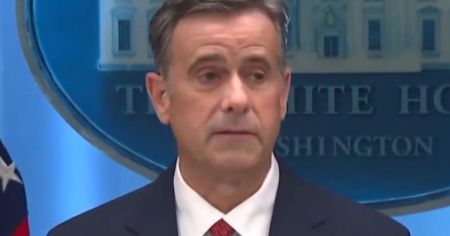
美国中央情报局局长约翰·拉特克利夫突然现身古巴哈瓦那,一架美国政府专机也被拍到降落当地。这不是普通外交访问,而是一场极其罕见、带有强烈施压意味的秘密接触。
根据美国方面披露,拉特克利夫此次亲自向古巴高层传达川普总统的信息,美国愿意与古巴在经济与安全问题上展开“严肃接触”,但前提是古巴必须进行“根本性改变”。
与此同时,美国政府内部又传出另一项重磅消息。美国正在推进对94岁的前古巴领导人劳尔·卡斯特罗提出刑事起诉,焦点锁定1996年古巴击落“救援兄弟会”飞机事件。
一个是中情局局长亲赴哈瓦那,一个是美国准备起诉卡斯特罗家族核心人物。两件事同时发生,意味着川普政府对古巴政策已经进入全新阶段。
根据美国中央情报局官员透露,拉特克利夫在哈瓦那会见了古巴内政部长、古巴情报机构负责人,以及劳尔·卡斯特罗的孙子劳利托·罗德里格斯·卡斯特罗等高层人物。
美国方面明确表示,拉特克利夫此行是为了“亲自传达川普总统的信息”。核心内容非常直接,美国愿意认真讨论经济合作、安全事务与情报合作,但古巴不能继续成为“西半球敌对势力的安全避风港”。
双方会谈内容涉及情报合作、经济稳定以及地区安全问题。美国政府特别强调,古巴不能再继续充当美国对手在西半球活动的平台。
古巴政府随后也迅速回应。哈瓦那方面宣称,古巴已经提供相关信息,可以“明确证明古巴不构成美国国家安全威胁”。同时,古巴还要求美国将其从“支持恐怖主义国家名单”中移除,并声称美国没有合理理由继续保留这一认定。
但就在会谈消息曝光后,美国媒体又披露另一项更具爆炸性的进展。美国政府正在推动起诉劳尔·卡斯特罗。
报道指出,美国司法程序可能围绕1996年古巴军方击落“救援兄弟会”飞机事件展开。当年,该组织长期在佛罗里达海峡上空执行人道主义任务,向逃离古巴的难民提供帮助。古巴军机随后击落相关飞机,导致多人死亡。美国方面一直认为那是严重违反国际法的人道主义袭击事件。
如果大陪审团最终批准,这将成为美国历史上针对古巴最高层人物之一最严重的司法行动。
这次事件真正值得关注的,不只是一次外交接触,而是川普政府正在重新定义整个西半球战略。
过去几十年,美国民主党政府一直倾向于用“接触换改革”的方式处理古巴问题。尤其奥巴马时期,大规模推动对古巴解冻,希望通过经济开放逐步改变古巴体制。但现实证明,这种路线并没有真正改变古巴权力结构,反而让哈瓦那获得了喘息空间。
川普重新上台后,整个逻辑已经彻底改变。现在华盛顿释放的信息非常清晰,美国不再接受“口头合作”,而是要求“根本性改变”。这意味着,美国开始把古巴问题重新纳入国家安全与地缘战略框架,而不仅仅是普通外交关系。
尤其值得注意的是,中情局局长亲自出面,而不是国务卿。这说明此次行动重点不仅是外交,更涉及情报、安全与地区势力布局。
美国如今最担心的,并不仅仅是古巴本身,而是古巴在整个西半球反美网络中的位置。过去几年,中国、俄罗斯、伊朗等力量不断加强在拉丁美洲存在,而古巴长期是这些势力的重要节点。无论是情报活动、电子监听、金融绕道还是地区政治渗透,古巴都具备特殊价值。
川普政府现在显然正在重新划红线。哈瓦那如果继续充当美国敌对势力的平台,美国就不会再维持过去那种模糊空间。
而同步推进起诉劳尔·卡斯特罗,更带有强烈政治信号。因为这不仅是司法动作,更是在历史层面重新清算古巴革命政权。
过去几十年,美国建制派内部一直存在一种思维,即为了地区稳定,可以对古巴共产党政权保持有限容忍。但现在,这种态度正在迅速消失。
尤其在今天的美国保守阵营看来,古巴不只是一个普通社会主义国家,而是冷战共产主义残余势力的象征。大量来自佛罗里达的古巴裔美国人长期支持强硬路线,也让共和党越来越不可能接受对哈瓦那继续让步。
更大的背景,则是整个西半球正在重新进入大国竞争时代。川普政府近来的动作,从边境、关税、能源到拉丁美洲政策,核心都指向一件事,美国正在重新收回对自身后院的控制权。
而古巴问题,恰恰是这场战略调整中的关键试探。
中情局局长亲赴哈瓦那,美国同时准备起诉劳尔·卡斯特罗,这绝不是普通外交新闻,而更像是一场正式摊牌前的最后警告。
华盛顿如今释放出的信号已经越来越明确。美国不会再接受一个长期与美国敌对势力保持深度联系、却又要求经济合作与制裁解除的古巴。
接下来,古巴会不会真正作出让步?美国是否会进一步升级制裁甚至展开更大规模政治施压?劳尔·卡斯特罗最终会不会真的遭到美国司法起诉?这些问题,都可能直接影响整个加勒比海与拉丁美洲局势。
本文由中国观察編輯部原创。为了促进信息自由传播,本平台原创内容全面开放转载,无须申请授权,只需注明来源、保留原文链接,即可全文转载、引用、翻译。我们不追究版权,只在乎公正的传播。
捐助(Paypal): https://www.paypal.me/observeccp 订阅中国观察电报 Telegram : https://t.me/s/ObserveCCP

- • 研究:超加工食品与心脏病风险增加有关
- • 早晨咖啡杯里隐藏的压力:咖啡饮用时间如何影响皮质醇和能量
- • 投资组合中另类资产的作用
- • 营养学家称,日常食物可能有助于肠道健康
- • 低血糖症对健康的影响
- • 跨国生活时保险如何衔接
- • 加拿大控股公司结构如何实现长期税务优化
- • 移民家庭如何通过房地产规划未来的居住与投资
- • 加拿大遗产继承争议的合法解决方案
- • 为什么肠道健康比你想象的更重要
- • 最新研究证实,最佳营养是达到最佳身心状态的秘诀
- • 如何用REITs增加被动收入
- • 从蜂巢到疗愈:古老的蜂产品获得现代医学认可
- • 分析特斯拉股价未来一年的走势
- • 投资度假房产背后鲜为人知的隐藏成本
- • 数百万人面临风险:常用减充血喷雾剂与不可逆的呼吸道损伤和成瘾有关
- • 百达翡丽鹦鹉螺(Patek Philippe Nautilus)的升值潜力与收藏价值
- • 无糖汽水与老年痴呆症:加工食品和人工甜味剂的隐患
- • 烟酸摄入指南:最佳维生素B3摄入量的食物来源
- • 如何判断一处房产的地段是否具备长期升值潜力
- • 加拿大投资者如何理解多元化投资的价值
- • 豆豉:营养丰富、风味独特的发酵超级食品
- • 研究综述了饮用绿茶对免疫系统的潜在影响
- • 加拿大员工歧视投诉的法律流程
- • 熬夜玩手机、喝高糖饮料、吃油炸食物:你的肝脏和血管正在承受什么?
- • 海外收入如何合法避税的底层逻辑
- • 海外房地产投资涉及的跨境税务合规问题
- • 美国购房产权调查:你不知道的风险
- • 豪华品牌最新轿车发布如何影响高端消费趋势
- • 隐形危机:矿物质缺乏正在悄然损害全球健康
- • 北美房产买卖合同的法律陷阱
- • 数字货币在北美的税务陷阱:合法持有与申报指南
- • 购买海外房产前必须考虑的长期回报与法律细节
- • 最新研究发现四种补充剂可在炎热天气运动期间保护肠道
- • 牙龈出血预示着罹患慢性疾病的风险,是2型糖尿病、心血管疾病和阿尔茨海默病的预警信号
- • 菠萝的卓越健康益处:大自然的营养超级水果
- • 研究:果糖摄入与免疫反应增强和感染风险增加有关
- • 海外房地产投资收益分析
- • 研究表明,睡眠不规律会增加患眼病的风险
- • 一项大型研究表明,接触农药会使患癌风险增加150%
- 高雄前镇惊传枪响 66岁男头部中弹身亡
- 川普不给习承诺 台陆委会:美六项保证被挑战是超译
- 夏季前 家中做这几个动作以避免大账单
- 高尔夫球:拉伊PGA锦标赛封王 首夺大满贯
- “老板鱼”半夜扑腾喷水求生影片爆红
- 德甲收官:拜仁强势夺冠 勒沃库森无缘欧冠
- 杨幂自曝多次拒绝《浪姐》邀约 理由笑翻众人
- “一心多用”高效? 她停止这习惯七天后大脑变了
- 上海蜘蛛猴与饲养员上演“揪发大战”逗乐众网友
- 小浣熊每天偷便利店一个苹果 送给好友小马儿
- 法甲:巴黎圣日耳曼 提前一轮夺“五连冠”
- 主打基础教材(4)
- 贝克汉姆家族再陷风波 14岁女儿频跑活动惹议
- 李连杰自曝甲亢改变容貌 眼球凸出不敢照镜子
- 黄明志涉毒案大逆转 获大马法院判无罪释放
- 卢比奥惊爆:总统都无权接触外星人遗体
- 万斯谈制造复兴和减税反诈 称共和党为民而战
- 普京访中前发动大规模空袭 中国籍货船也遭波及
- 川普撤诉百亿美元诉讼 或与司法部和解基金有关
- G7财长会巴黎登场 华府加码施压中共
- 心脏外科医生提醒:这5类食物最好少吃
- 普京访华前 俄罗斯无人机袭击中国货轮
- 川普惊爆周二对伊朗开战 中东三领袖紧急求情
- 埃博拉疫情 美惊现汉坦病毒本土死亡案例
- 川习会没拉动经济 中国4月工业增速跌至最低
- 中国多地爆发洪灾 当局无预警泄洪 数万人遭难
- 阿联酋被曝有意夺岛 加入美以战略轴线
- 稀土角力升温 澳洲再堵中资染指关键矿产
- “药水杨梅”发酵 福建杨梅一夜崩盘 果农损失惨重
- 马斯克与Open AI官司判决 马斯克败诉
- 首届干净世界之夜活动 放映《光影交响曲》
- 美发布临时通行证 允许部分国家购买俄石油
- 美国特使兰德里首访格陵兰岛 聚焦采矿与贸易
- G7财长巴黎召开会议 讨论全球经济失衡问题
- 川普撤回国税局诉讼 设立“反武器化基金”
- 泰国连爆中国人失联案 最长已失踪超2个月
- 蓬佩奥:习屡对美撒谎 对他不应抱任何幻想
- 刚果爆发埃波拉致88人死 美CDC启动入境限制
- 山东2千学生抗议 拉五四横幅自称起义
- 广西柳州再发生5.2级地震 震感更强 范围更广
- 美国科罗拉多州现汉坦病毒死亡病例
- 川普撤诉 不再追讨美国国税局百亿美元赔偿款
- 【更新】川普:推迟原定明日对伊朗的军事打击
- 伊朗向美国提交更新版和平协议
- 埃博拉疫情再次爆发 美国限制疫区人员入境
- 美军公开空袭画面 ISIS成员奔跑中遭精准击杀
- 比特币跌破7.7万美元 一小时清算6亿美元
- 中共在全球港口布局 揭背后政治目的
- 5月18日维权动态 合肥民居凌晨遭暴力强拆 家当全被埋
- 武汉村庄585人至少62人患癌亡 大多为青壮年
-
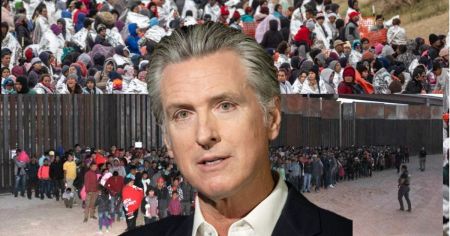 美国高校设立非法移民学生“私人毕业典礼”引爆争议
 -
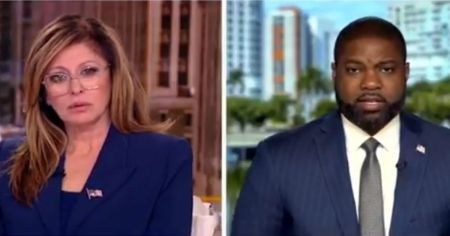 美国政客公开解释蓝州人口外流加速 佛州成为财富与居民集中迁入地
 -
 大饥荒:为什么全球饥荒并非偶然
 -
 泽连斯基的前新闻秘书声称他是个瘾君子,并延长战争是为了“获取更多资金”
 -
 美国在2026年10月投票前加大了对联合国航运排放框架的反对力度
 -
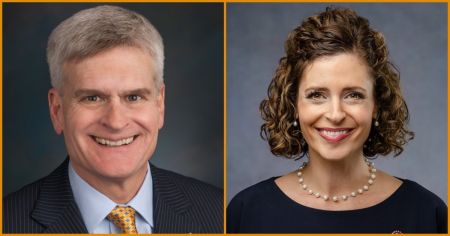 路易斯安那共和党参议员初选爆冷 卡西迪惨败出局 川普支持候选人进入决选
 -
泽连斯基的前新闻秘书在一次爆炸性采访中揭露战争牟利行为,并称他为“独裁者”
-
 新的树木年轮研究表明,人类活动对全球降水模式没有影响
 -
 宗教豁免:最高法院、学校疫苗强制接种的终结以及自由未来的斗争
 -
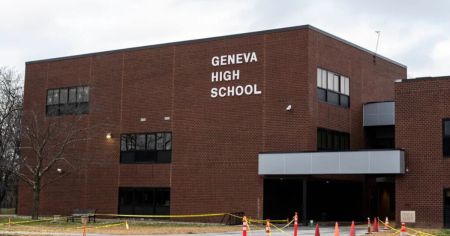 纽约州日内瓦高中出现疑似汉坦病毒病例 卫生部门称与南美邮轮致命疫情无关联
- CT扫描辐射剂量猛增244%;医生是否让患者面临不必要的癌症风险?
- 研究表明,骑行计划可能促进与认知健康相关的大脑化学物质的分泌
- 震惊学界:逾20万篇PubMed论文疑为AI生成
- 日本小城远程工作实验:宁静但高速互联网
- 成都龙抄手的皮薄心暖,是胡同口的拥抱
- 鲁迪·朱利安尼车祸青少年司机身份确认
- 从算法到自我意识机器人的未来社会
- 海外创业者必须了解的商业保险
- 人工智能接管:机器在公平性和准确性方面超越人类,50% 的远程工作将在 3 年内被取代
- 奥巴马、科米、布伦南在通俄门中扮演了什么角色
- 椰子水补充水分:天然低热量运动饮料替代品
- 举报人告诉联邦调查局,亚当·希夫批准机密泄密以针对川普
- 全球移民格局与美国签证技术化的连锁影响
- 5G 和智能手机如何加剧青少年心理健康危机
- 湛江猪脚饭不是粗粮,是一口世道人情
- 山东2千学生抗议 拉五四横幅自称起义
- 德甲收官:拜仁强势夺冠 勒沃库森无缘欧冠
- 马斯克:美国今年将迎无人驾驶时代
- 中共派系权斗升级 多名中国移动高管落马
- 杨幂自曝多次拒绝《浪姐》邀约 理由笑翻众人
- “药水杨梅”发酵 福建杨梅一夜崩盘 果农损失惨重
- 高尔夫球:拉伊PGA锦标赛封王 首夺大满贯
- 武汉村庄585人至少62人患癌亡 大多为青壮年
- 北京国宴招待川普 红衣女服务员身份惹议
- 中国多地爆发洪灾 当局无预警泄洪 数万人遭难
- “老板鱼”半夜扑腾喷水求生影片爆红
- 埃博拉疫情再次爆发 美国限制疫区人员入境
- G7财长会巴黎登场 华府加码施压中共
- 比特币跌破7.7万美元 一小时清算6亿美元
- 夏季前 家中做这几个动作以避免大账单
- 降低对中依赖!欧盟拟强制企业采购非红供应链零件
- 中共在全球港口布局 揭背后政治目的
- 婚宴遇暴雨变“水上流水席” 宾客坐水里用餐
- 川普惊爆周二对伊朗开战 中东三领袖紧急求情
- 上海蜘蛛猴与饲养员上演“揪发大战”逗乐众网友
- G7财长会登场 聚焦贸易失衡与能源危机
- 四朵降落伞浓烟中乍现 战机爆炸飞行员奇迹生还
- 川普将与治理台湾的人沟通军售?台外交部回应
- 广西柳州再发生5.2级地震 震感更强 范围更广
- 万斯谈制造复兴和减税反诈 称共和党为民而战
- 山东2千学生抗议 拉五四横幅自称起义
- 德甲收官:拜仁强势夺冠 勒沃库森无缘欧冠
- 马斯克:美国今年将迎无人驾驶时代
- 中共派系权斗升级 多名中国移动高管落马
- 杨幂自曝多次拒绝《浪姐》邀约 理由笑翻众人
- “药水杨梅”发酵 福建杨梅一夜崩盘 果农损失惨重
- 高尔夫球:拉伊PGA锦标赛封王 首夺大满贯
- 武汉村庄585人至少62人患癌亡 大多为青壮年
- 北京国宴招待川普 红衣女服务员身份惹议
- 中国多地爆发洪灾 当局无预警泄洪 数万人遭难
- “老板鱼”半夜扑腾喷水求生影片爆红
- 埃博拉疫情再次爆发 美国限制疫区人员入境
- G7财长会巴黎登场 华府加码施压中共
- 比特币跌破7.7万美元 一小时清算6亿美元
- 夏季前 家中做这几个动作以避免大账单
- 降低对中依赖!欧盟拟强制企业采购非红供应链零件
- 中共在全球港口布局 揭背后政治目的
- 婚宴遇暴雨变“水上流水席” 宾客坐水里用餐
- 川普惊爆周二对伊朗开战 中东三领袖紧急求情
- 上海蜘蛛猴与饲养员上演“揪发大战”逗乐众网友
- G7财长会登场 聚焦贸易失衡与能源危机
- 四朵降落伞浓烟中乍现 战机爆炸飞行员奇迹生还
- 川普将与治理台湾的人沟通军售?台外交部回应
- 广西柳州再发生5.2级地震 震感更强 范围更广
- 万斯谈制造复兴和减税反诈 称共和党为民而战
- 珠海前市长何宁卡落马 与前高层李源潮曾是室友
- 豆包AI坚称机票退票费4% 超过它赔 结果只赔个欠条
- 湖北正部级“老虎” 原省长王晓东被查
- 维吾尔母亲揭中共拘留营黑幕
- 洛阳汽车高速连撞多车 多人死伤
- 台北动物园两巨龟打架 传说是120年前结梁子
- 川普九年内两次访华 盘点十大不同之处
- 中东局势恶化后首见 阿联LNG船经霍峡将抵日
- 习当面逼问台湾问题 川普回答引爆华人圈
- 【更新】川普发视频 暗示对伊朗开火
- 福特号返抵美国 创326天全球最长任务
- 川习会爆名场面:翻看小本本 蔡奇训斥王毅
- 又谈崩了?川普说中共不买H200芯片
- 民主刚果再爆发伊波拉疫情至少80死 蔓延乌干达
- 台湾成功开发PAM-4传收机 芯片传输大突破
- 莫迪出访五国 首站与阿联酋签重要石油协议
- 2025/26赛季 德甲积分榜及射手榜(大结局)
- 官媒报22人断供银行数千万贷款追不回 评论区翻车
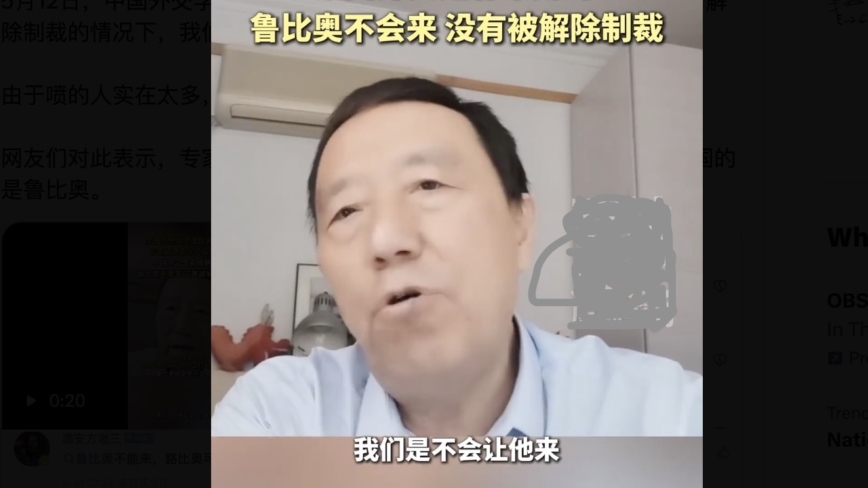
- “卢比奥肯定来不了” 中共外交专家又大翻车
- 川普结束访华回国 将带回数千亿美元投资
- 河南连发两起车撞人 传信阳路口4人惨死
- 习武必重德 大赛评委:台湾是传统武术复兴基地
- 长岛铁路罢工危机 霍楚、川普隔空交火
- 研究发现,补充维生素D与炎症性肠病患者的免疫调节有关
- 特斯拉Model Y涨价 高性能全轮驱动售价$5.8万
- 报告:某些食物可能有助于身体的自然排毒过程
- 珠海前市长何宁卡落马 与前高层李源潮曾是室友
- 川习会未见“中美双赢” 中国股市一路下跌
- 川普访华 知情者爆北京接待一团乱 行程多次变更
- “川习会”前的多个异常现象 引发猜测
- 川普抵北京 高规格中美会谈展开
- 川普访华安保升级 评论员:涉多重安全考量
- 为保数据安全 美国访中官员全部更换通讯设备
- 川普飞抵北京 中方接机规格升高 梅拉尼娅未随行
- 卢比奥随川普访华 中共为其改名引热议
- 《无声的活摘》揭中共罪恶 5月16日全球公映
- 生物恐怖主义:全球精英计划如何将真菌孢子注入大气层造成持续不断的呼吸道感染
- 川习会前 上将凯恩:美正打造让习陷巨大困境军力
- 河北火锅店命案 知情人:老板杀人分尸 顾客洗胃
- 16名美企业CEO随行川普 英伟达缺席引关注
- 川习会插曲 习与卢比奥尴尬握手 场外突发混乱
- 美前宗教自由大使:川普应强硬对抗中共迫害信仰
- 川普访华 中共外交部发“和平共处”短片 引嘲讽
- 香港沦中共白手套 成伊朗规避制裁枢纽
- 反诈还是诈骗?江西多名公安倒卖反诈平台个资
- 川普访华 北京严禁晚上加班 网友喊话:多待几天吧!
- 讽刺中共?卢比奥访华穿马杜罗同款服装 白宫补刀
- 川普访华 美随行官员全换“干净设备”
- 京沪中小学休学率暴涨 传部分班过半不正常上学
- 川普访华携“移动白宫” 北京的尴尬与期待
- 霍峡危机引粮荒?前世银总裁喊中共别做这事
- 气候异常! 广州也传“四月飞雪”
- 报告:某些食物可能有助于身体的自然排毒过程
- 珠海前市长何宁卡落马 与前高层李源潮曾是室友
- “移动的白宫”送进中共心脏 分析:川普向习示威
- 东航坠机真相 美方揭人为因素 中方隐瞒报告四年
- 川普访华 盘点即将随行的科企大佬及商界高管
- 辽宁高官接连缺席活动 刚露面“辟谣”又传坠楼亡
- 重庆公安局长张安疆传坠亡 书记袁家军命运引揣测
- 川普最新发文 痛批伊朗不懂怎么签“非核协议”
- 中共重手封杀“翻墙” 业内人士:烂尾政策
- 中共前后两任国防部长双双判死缓 罪名引质疑
- 地方大员转农业部长又被免职 刘鹤旧部韩俊传出事
- 罕见! 基层官员怒怼人民日报: 收回刀子
- 中共重庆公安局长张安疆死亡 网传坠楼丧命
- 无声的大脑杀手:一种常见食物如何悄无声息地摧毁你的记忆力,以及专家们为何感到恐惧
- 川习会未见“中美双赢” 中国股市一路下跌
- 川普访华CEO随行团大幅缩水 传从29人减至12人
- 日本强化国安防间谍 众院通过“国家情报局法案”
- 快连VPN宣布停止在中国的营运
- 中共隐瞒近4年 美国公布东航MU5735坠机主因
- 中共重手封堵“翻墙” 业内人士:很快烂尾
- 中共称“躺平”背后有境外势力 引发群嘲:真急了
- 【更新】美制裁35家“伊朗影子银行”实体和个人
- 美菲军演规模史上最大 强化台海南海双线防卫
- 广西地震前异象 大量鱼群上岸 排队上山
- 阿联酋核电厂遭无人机攻击 油价上涨
- 党媒背书“我店数科”爆雷 受害者揭金融骗局
- 广西柳州5.2级地震 官方被疑掩盖死亡人数
- 美中达协议?稀土议题各说各话 批准美牛立刻反悔
- 贝克汉姆家族再陷风波 14岁女儿频跑活动惹议
- 5月17日维权动态 上海95岁访民派出所身体不适 警察拒送医
- 天津高空跳伞项目教练与员工双双溺亡 隐瞒近月
- 埃博拉疫情 美惊现汉坦病毒本土死亡案例
- 美国特使访格陵兰带 川普交代:广交朋友!
- 川普与以总理通话再发警告 本周传开战情室会议
- 伊朗:已回应美最新终战提案 谈判进行中
- 世卫大会开幕 汉坦、伊波拉疫情成焦点
- 树枝夺命 香港大埔骑士猛撞路中树枝不治身亡
- 泰国重大铁道事故 火车撞巴士酿8死32伤
- 通过巴基斯坦 伊朗向美国递交新方案
- 谢金河谈川习会桥段:川普破东升西降 习近平成配角
- 蝉联NBA年度MVP SGA力退斑马、约基奇
- 沙特成功拦截3架从伊拉克领空飞入无人机
- “老板鱼”半夜扑腾喷水爆红 超千万网友求放生
- 美国特使访格陵兰带 川普交代:广交朋友!
- 川普与以总理通话再发警告 本周传开战情室会议
- 谢金河谈川习会桥段:川普破东升西降 习近平成配角
- 白宫说明美中峰会成果 美牛进口许可变回“过期”
- 川普晒照引关注:与“外星人”同行 指挥太空作战
- “一心多用”高效? 她停止这习惯七天后大脑变了
- 【更新】川普:推迟原定明日对伊朗的军事打击
- 川习会没拉动经济 中国4月工业增速跌至最低
- 川普撤回国税局诉讼 设立“反武器化基金”
- 蓬佩奥:习近平是“最冷酷、最无情”的领导人
- 川普警告时间紧迫:若不达成协议 伊朗将不复存在
- 民生低迷军工狂飙 中共悄然扩产导弹
- 川普不给习承诺 台陆委会:美六项保证被挑战是超译
- 川普撤诉 不再追讨美国国税局百亿美元赔偿款
- 卢比奥惊爆:总统都无权接触外星人遗体
- 埃博拉疫情 美惊现汉坦病毒本土死亡案例
- 埃博拉疫情再次爆发 美国限制疫区人员入境
- 世卫大会开幕 汉坦、伊波拉疫情成焦点
- 民主刚果爆发伊波拉疫情 传致死率可达50%
- 民主刚果再爆发伊波拉疫情至少80死 蔓延乌干达
- 中国疫情升温 重症患者丧失劳动力
- 邮轮“汉坦病毒”疫情 全球已11人确诊3死
- 汉坦疫情 邮轮18名乘客返美 疾控中心紧急行动
- 邮轮汉坦病毒实验室合成?中共提前研发出疫苗惹疑
- 汉坦病毒染疫游轮靠岸 乘客检疫隔离返国
- 四川网红曾登汉坦疫情邮轮 传主动通报吓坏官方
- 世卫:邮轮汉坦疫情非新冠 阿根廷或为源头
- 中国疫情升温 五一刚过 医院人满为患
- 汉他病毒邮轮3死8染疫 全球急追下船乘客
- 离谱!河南7个月大的婴儿被重复接种两针疫苗
- 西班牙官员:爆疫情邮轮3天内停靠加那利群岛
- 世卫组织:邮轮疫情汉坦病毒疑似人传人
- 大西洋一艘游轮疑爆发病毒疫情 已有3人死亡
- 在疫情期间隐瞒联邦记录 医学专家前顾问被诉
- 涉嫌黑客与盗窃疫苗 中共间谍被引渡美国受审
- 美战争部长:军中不再强制接种流感疫苗
留言区